In today’s digital time world, people expect websites to load very fast. If a website takes too long to open, visitors often leave without exploring the all services. A slow website can reduce customer satisfaction and even lower your search engine rankings.
Website speed optimization is the full process of improving your website’s performance so pages load faster on all devices. A fast website creates a best user good experience, improves SEO and add conversions. Whether you working a business website or a blog, improving page speed should always be a first priority.
What is Website Speed Optimization?
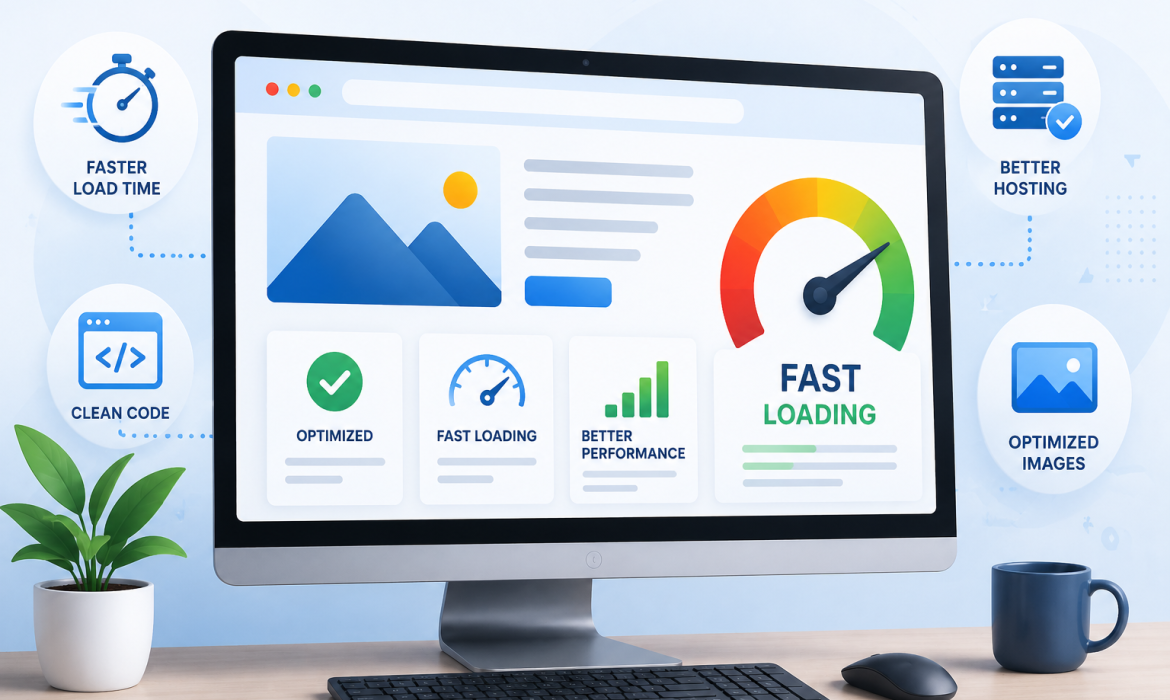
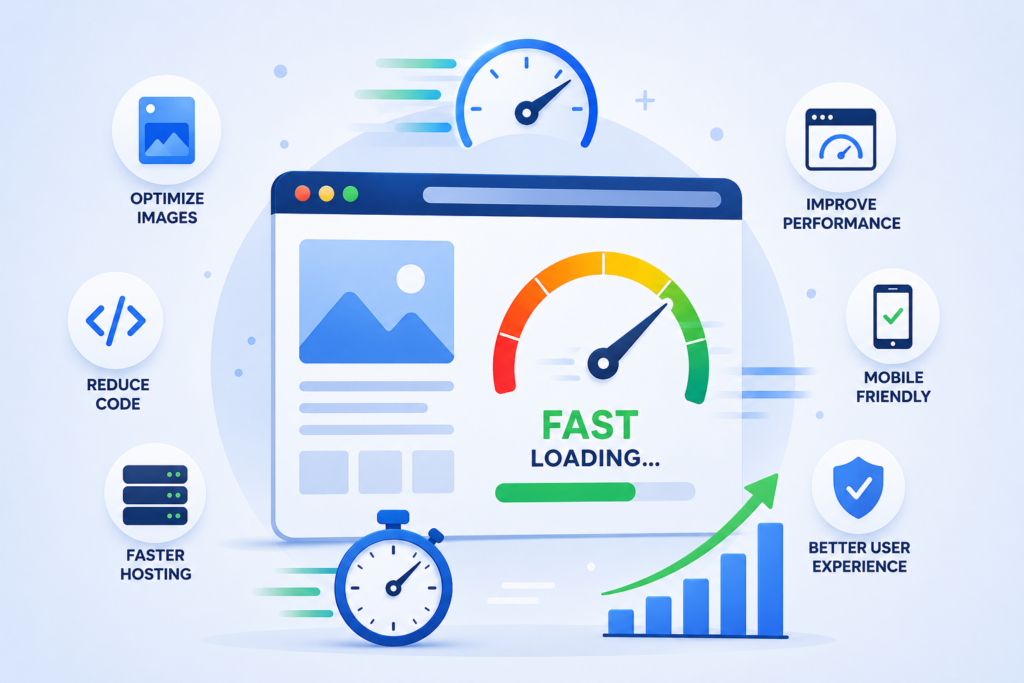
Website speed optimization is the process of making your website load as fast as possible. It includes improving photo, reducing unnecessary code, using faster hosting and applying several other techniques that improve website performance.
Search engines like Google also consider all page speed as a rank. This means a faster website has a more chance of appearing higher in search output while providing visitors with a smoother browsing good experience.
Why is Website Speed Important?
A fast-loading website offers many advantages for both users and businesses.
- Creates a best user experience.
- Improves top search engine rankings.
- Reduces bounce rates.
- Increases customer more engagement.
- Improves online offers, sales and lead generation.
- Builds trust and more professionalism.
Common Reasons Why Websites Load Slowly
Several factors can less your website's loading speed, including:
- Big image files that are not compressed.
- Too many plugins or third-party scripts.
- Low-quality web hosting.
- Large CSS and JavaScript files.
- Too many HTTP requests.
- No browser caching.
- Slow server response all time.
Finding these problem is the first step towards improving website work performance.
Best Tips to Improve Website Page Load Time
Compress and Optimize Images
Images usually take up the large portion of a webpage. Uploading high-quality but compressed images helps less page size without affecting visual quality. Use modern image formats such as WebP whenever possible.
Choose Fast and Reliable Web Hosting
Your hosting provider plays a most of role in website speed. A reliable hosting service provides faster server response times, better uptime and improved performance during high traffic.
Enable Browser Caching
Browser caching stores website file on a visitor's device. When users return to your online website, their browser loads files instead of downloading all thing, making pages load much faster.
Minify CSS, JavaScript, and HTML
Remove unnecessary spaces, comments, and unused code from your website files. Smaller files load more quickly and improve website performance.
Use a Content Delivery Network
A CDN stores copies of your website on multiple servers around the world. Visitors receive website content from the nearest server and improving work performance globally.
Reduce HTTP Requests
Every image, font, stylesheet, and script creates an HTTP request. Reducing unnecessary files and combining resources helps your pages load faster.
Enable GZIP Compression
GZIP compression rchange the size of website files before sending them to visitors' browsers. Smaller files download faster and add page speed.
Remove Unused Plugins
Too many plugins can slow down your website, especially on WordPress. Remove plugins that are no long time needed and keep the remaining ones updated.
Optimise for Mobile Users
Most people browse websites using smart phones. Make sure your website is fully responsive, lightweight and simple to use on mobile devices.
Monitor Website Performance Regularly
Website speed should be checked regularly. Performance testing tools help identify slow pages and recommend improvements before they affect visitors.
Benefits of Website Speed Optimization
1. Better User Experience
Visitors enjoy browsing websites that load more fast. Faster websites encourage users to stay long time and explore more pages.
2. Higher Google Rankings
Google prefers websites that provide a fast and experience. Better page speed can help improve your SEO rankings.
3. Lower Bounce Rate
Visitors are less likely to leave when your pages load quick, resulting in better connection.
4. Increased Conversion Rate
Whether you want users to make a purchase, submit a contact form or request faster websites help increase conversions.
5. Improved Mobile Performance
A speed-optimised website performs better on mobile devices, giving users a seamless browsing good experience.
6. Better Website Performance
Optimised websites use fewer server resources, making them more stable and capable of handling big traffic.
7. Stronger Brand Image
A professional, fast-loading website builds trust and creates a positive first impression for new visitor.
Best Practices for Website Speed Optimization
- Compress images before upload.
- Use most lightweight website themes.
- Keep plugins and all software updated.
- Minify CSS, JavaScript and HTML files.
- Enable browser caching and GZIP compression.
- Use a Content Delivery Network.
- Choose reliable hosting with good server performance.
- Regularly test website speed and fix performance problem.
Conclusion
Website speed is no long just a technical feature—it is an important part of your business success plan. A fast website improves user good experience, supports better SEO rankings and keeps visitors connect.
If your website is loading slowly, now is the right time to optimise it. Scrupulous Technology provides very professional website development, performance optimisation and SEO solutions to help businesses create fast and user-friendly websites. Our experienced employesses can improve your website more speed, user experience and help your business achieve best online output.