When people talk about best SEO plan, they often main words, backlinks and website real data. But there is another best part of SEO that is sometimes overlooked: internal linking.
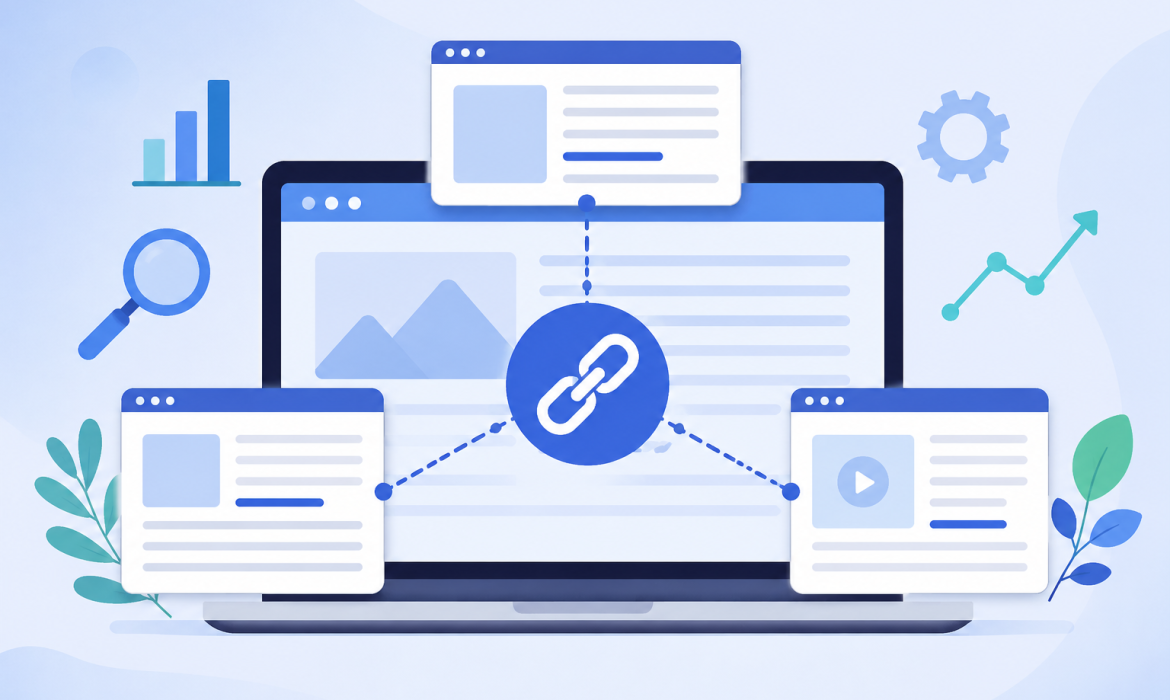
Internal links connect one page of your web to another page on the that website. They help visitors find related info and also help search engines understand how your website.
For businesses, using internal links complate can make the website easier to navigate, improve user experience and support better search engine view.
What is Internal Linking?
Internal linking is the process of add links from main page of your website to another page on the same website.
For example, if you have a blog about SEO service and you have another page about local SEO, you can add a link from the first page to the other side.
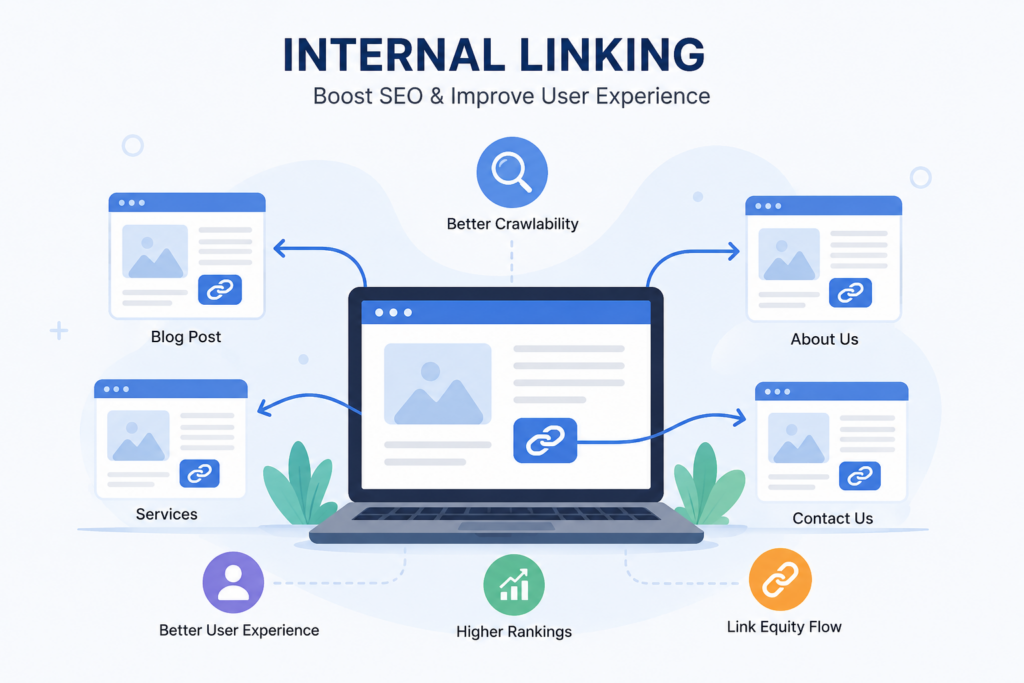
Internal links can connect:
- Blog posts to other related blogs
- Blog posts to service pages
- Service pages to relevant solutions
- Product pages to related products
- Main pages to important subpages
Unlike external links, which take users to another website, internal links keep visitors within your own website.
How Does Internal Linking Help SEO?
Internal linking can support SEO in several useful. When links are placed naturally and point to main pages, they help both visitors and search engines understand the website.
The key benefits include:
1. Helps Search Engines Find Your Pages
Search engines use links to check and understand pages on a website. When your important pages are connected through internal links, search engine crawlers can find and more access them more easy.
This is especially helpful for websites with many blog posts, service pages or product pages.
2. Improves Website Navigation
Internal links make it easy for visitors to move from one page to another.
For example, someone reading a blog about website development may want to learn about mobile application development as well. A relevant internal url gives them an simple way to continue reading without searching through the entire website.
3. Keeps Visitors on Your Website Longer
Useful internal links encourage visitors to read real best content.
If a visitor finds helpful info on one page and sees a link to another relevant article, they may click it and continue browsing your website. This can create a good overall best experience.
4. Helps Spread Page Authority
Internal links can work distribute the value of links across other different pages of your website.
For example, if an important page receives strong backlinks from other websites, internal links can help connect that page with other relevant pages. This can make most important sections of your website easier for search engines to understand.
5. Helps Search Engines Understand Page Relationships
Internal links show search engines how different pages are connected.
For example, a website may have a main page about Digital Marketing Services, along with separate pages for SEO, PPC, social media marketing, and content marketing.
Linking these pages together helps create a clear structure and shows that they are related topics.
6. Supports Better Keyword Relevance
The clickable words used in an internal link are called.
Using clear text can give users and search engines an idea of what they will find after clicking the link.
For example, instead of using:
“Click here”
you can use:
“Learn more about local SEO services”
The second option gives much more information about the linked page.
7. Helps Important Pages Get More Visibility
Some pages on your website may be more important than others. Internal links can help direct visitors and search engines toward these pages.
For example, an IT company may want to give more visibility to pages related to:
- Website Development
- Mobile App Development
- SEO Services
- CRM Solutions
- ERP Solutions
Adding relevant internal links to these pages from blog posts can help users find the services more simple.
Benefits of Internal Linking for Your Business
Internal linking is not only useful for SEO. It can also provide several benefits for your business website.
Better User Experience
Visitors can fast find additional info without having to return to the menu or search for another page.
More Page Views
When users click on relevant internal links, they may visit more pages during one session.
Easier Website Crawling
Internal links help search engine crawlers move through your website and full discover different pages.
Better Content Organization
Connecting related pages creates a more organized website structure and makes your content easier to understand.
Supports Business Goals
Internal links can guide visitors from real data blog posts toward important service page, helping them take the next way.
Tips for Effective Internal Linking
Adding many links to a page does not automatically improve SEO. Internal links should be useful and placed naturally.
Here are some simple tips:
Link to Relevant Pages: Only link to home page that are related to the main tital being discussed.
Use Descriptive Anchor Text: Select words that clear explain what the linked page is about.
Link to Important Pages: Give internal urls to key service, product and other important pages.
Avoid Too Many Links: Adding more unnecessary links can make content difficult to read.
Check Broken Links: Daily check your website for links that no long work.
Update Older Blogs: When publishing a new blog, look for older related articles where you can add a natural internal link.
Keep Links Natural: Add links where they are genuine helpful instead of forc them into the content.
Example of Internal Linking
Suppose an IT company publishes a blog called “How SEO Helps Small Businesses.”
Inside the blog, the company can naturally link to related pages such as:
- SEO Services
- Local SEO
- Technical SEO
- On-Page SEO
- Website Development
A reader who wants more information can click these links and move to the relevant page.
This creates a simple path between related content and helps visitors understand the company’s services.
Common Internal Linking Mistakes
While internal linking is simple, some common mistakes can reduce its usefulness.
- Adding links that are not related to the content
- Using the same anchor text repeatedly without a reason
- Linking to pages that no longer exist
- Adding too many links to a single page
- Leaving important pages disconnected from the rest of the website
- Using generic text such as “click here” too often
Avoiding these some mistakes can make your website structure cleaner and easy to use.
Conclusion
Internal linking is a simple but most valuable part of SEO. It helps visitors move between related main pages, makes website navigation more easy and helps search engines understand your website.
A good internal linking plan does not require adding links every plasce. The target is to connect relevant main pages naturally and help users find useful details.
For businesses looking to add their website performance and online view, internal linking should be included as part of a complete SEO plan. Scrupulous Technology can help businesses improve their website structure, SEO performance, and overall digital presence with practical SEO solutions.