In today’s digital business world, companies store a large amount of important data inside ERP systems. From all customer info and work team records to financial reports and inventory management, everything is connected in one platform. Because of this, security becomes one of the most important parts of any ERP system.
A secure ERP system helps businesses protect details, avoid data leaks and keep daily operations running very smooth. Whether you are a small business or a big company, understanding ERP security features is very important for long-time business.
At Scrupulous Technology, we help businesses implement secure and reliable ERP solutions that protect info while improving productivity.
What is ERP Security?
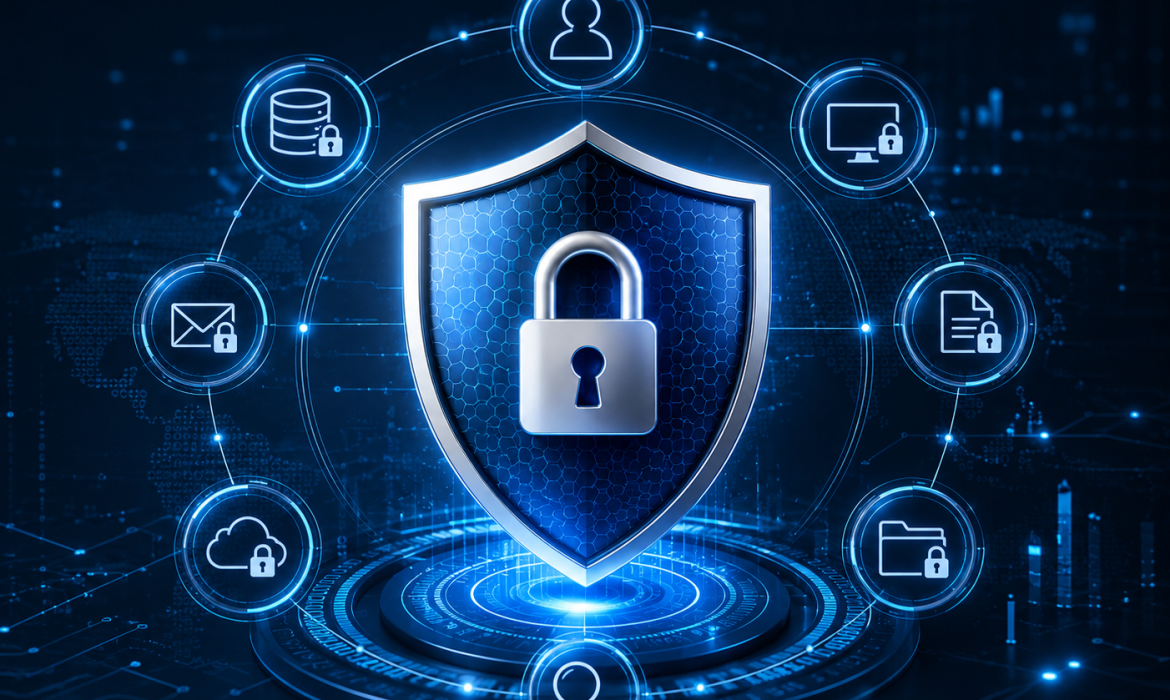
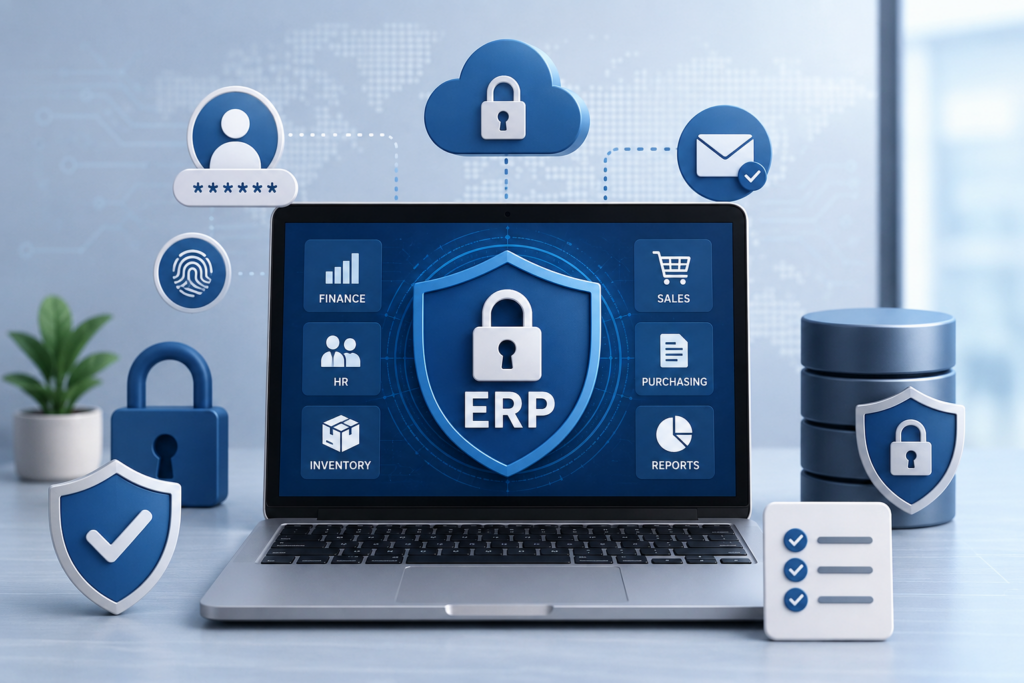
ERP security refers to the protection methods and tools used to keep ERP software more safe from unauthorized security access, cyber threats, and database loss. It ensures that only authorized customers can access very important business work details.
In simple words, ERP security helps businesses keep their info safe and secure from hackers, misuse or accidental loss.
Why ERP Security is Important
Modern businesses rely heavily on digital systems. A small security issue can create problems such as:
- Loss of confidential business data
- Financial damage
- System downtime
- Customer trust issues
- Legal and compliance problems
A secure ERP system less these risks and gives businesses confidence while managing daily operations.
Key ERP Security Features Every Business Should Know
1. User Access Control
User access control allows businesses to decide who can access specific information inside the ERP system.
For example:
- HR staff can access
- employee records
- Finance teams can view accounting details
- Sales teams can manage customer information
This feature prevents unauthorized users from viewing sensitive data.
2. Role-Based Permissions
Role-based permissions help assign access according to employee responsibilities. Instead of giving full system access to everyone, businesses can limit permissions based on job roles.
Benefits include:
- Better data security
- Reduced human errors
- Controlled system management
This keeps the ERP environment more organized and secure.
3. Data Encryption
Encryption converts important business very database into a secure format that cannot be easy understood by users.
Even if someone gains access to the data, encrypted information remains protected. Encryption is especially important for:
- Financial transactions
- Customer information
- Payroll records
- Business reports
4. Multi-Factor Authentication (MFA)
Multi-factor authentication adds an extra security layer during login.
Instead of only entering a password, users may also need:
- OTP verification
- Mobile authentication
- Email confirmation
- Fingerprint or face recognition
This reduces the chances of unauthorized access.
5. Regular Data Backup
ERP systems store critical business information every day. Regular backups help businesses recover data quickly in case of:
- System failure
- Cyber attacks
- Human mistakes
- Hardware issues
Automatic backups help maintain business continuity without major interruptions.
6. Audit Logs and Activity Tracking
Audit logs record all activities performed inside the ERP system.
Businesses can track:
- Login history
- Data updates
- Deleted records
- System changes
This feature helps identify suspicious activities and improves accountability.
7. Cloud Security Protection
Many modern ERP systems are cloud-based. Cloud security features help protect online data using:
- Secure servers
- Firewall protection
- Data monitoring
- Automatic security updates
Cloud ERP solutions also provide better flexibility and remote access for businesses.
8. Secure API Integration
ERP systems often all connect with other business online software such as CRM, payroll systems, or eCommerce platforms.
Secure API integration ensures safe communication between systems without any exposing sensitive database.
This helps businesses maintain smooth and secure operations across all types of platforms.
9. Automatic Security Updates
Cyber threats continue changing over time. ERP software providers release regular security updates to fix vulnerabilities and improve software protection.
Keeping the ERP system updated helps businesses:
- Prevent security risks
- Improve software performance
- Maintain system stability
10. Disaster Recovery Planning
Disaster recovery features help businesses restore operations quickly after unexpected situations like:
- Cyber attacks
- Server crashes
- Natural disasters
- Technical failures
A proper recovery plan minimizes downtime and protects important business data.
Benefits of Strong ERP Security
1. Better Data Protection
Strong security all features help businesses keep more sensitive info safe from cyber threats and unauthorized access.
2. Improved Customer Trust
Customers feel very confident when businesses protect their personal and financial database properly.
3. Reduced Financial Risk
Security breaches can cause major financial losses. A secure ERP system helps reduce these risks.
4. Smooth Business Operations
Secure systems prevent disruptions and help businesses continue operations without any unnecessary downtime.
5. Compliance and Legal Safety
Many industries require businesses to follow info protection regulations. ERP security helps companies meet these compliance requirements.
Tips to Improve ERP Security
- Use strong and unique passwords
- Enable multi-factor authentication
- Regularly update ERP software
- Train employees about cybersecurity
- Monitor system activities frequently
- Backup business data regularly
- Limit user access based on roles
Simple security practices can make a big difference in protecting business systems.
How Scrupulous Technology Helps Businesses
At Scrupulous Technology, we provide secure ERP solutions designed to protect business database and improve operational efficiency. Our time focuses on implementing modern security practices, reliable cloud solutions, user access management and advanced system monitoring to help businesses work safely and confidently.
We understand that every business has different security requirements, which is why we offer customized ERP solutions based on your business needs.
Conclusion
ERP security is no longer optional for modern businesses. As companies continue using digital systems for daily use, protecting business database becomes extremely important. Features like user access control, encryption, data backup and multi-factor authentication help businesses reduce risks and improve overall security.
Choosing the right ERP system with very strong security features can protect your business from future challenges and create a safer working environment.
If you are looking for secure and reliable ERP solutions, Scrupulous Technology can help your business build a safe, scalable, and efficient ERP system for long-time success.